
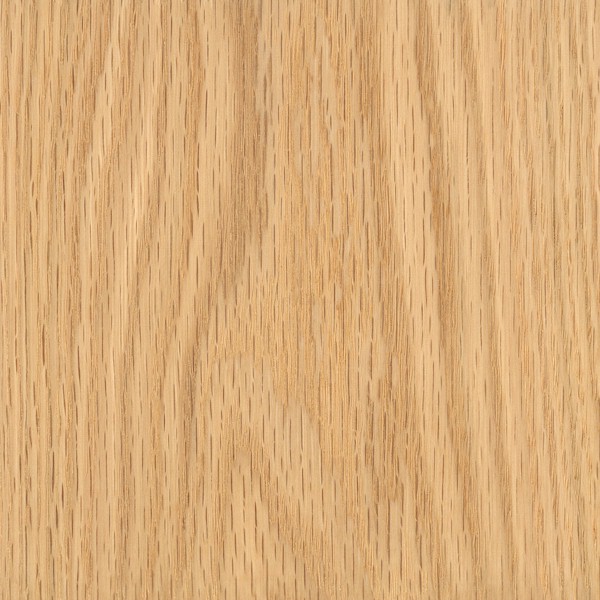
American RED OAK
Description
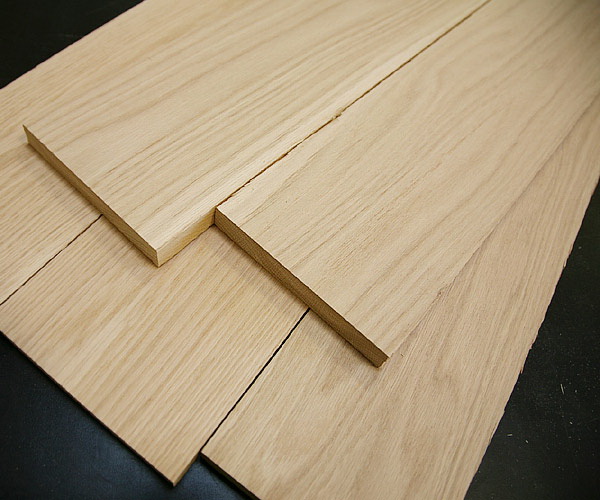
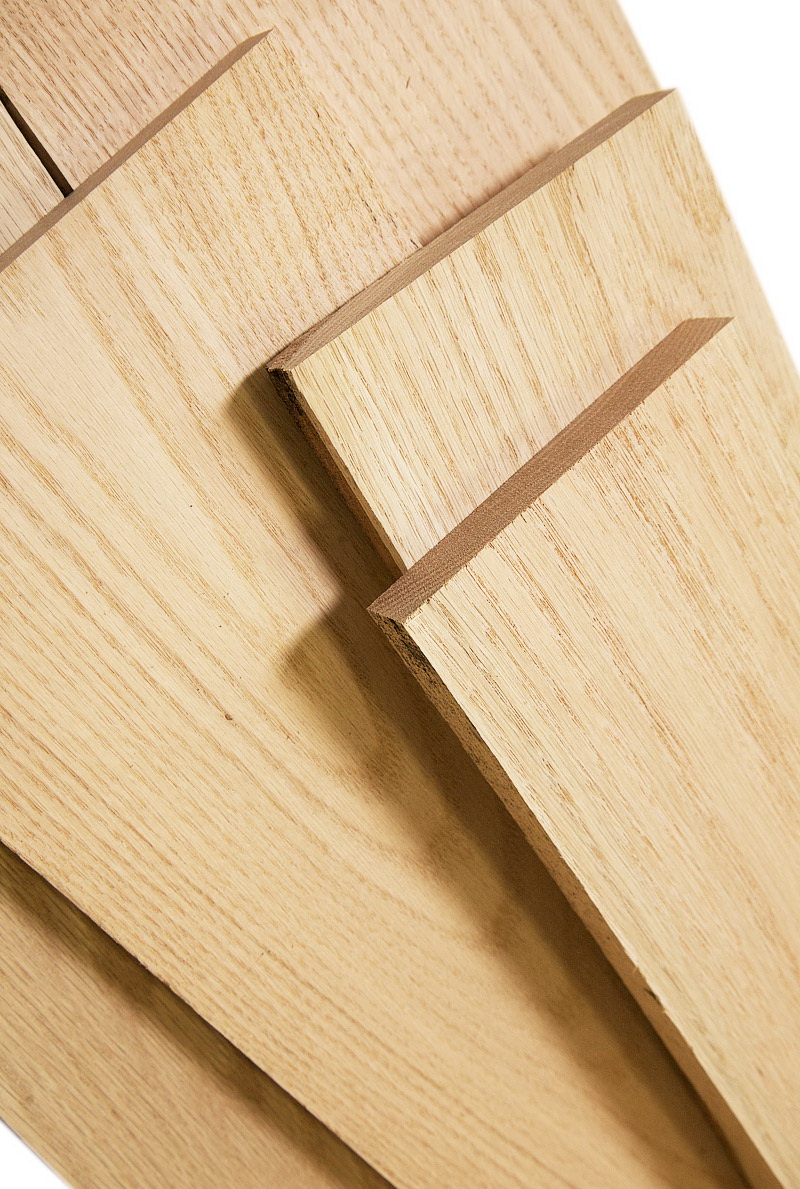
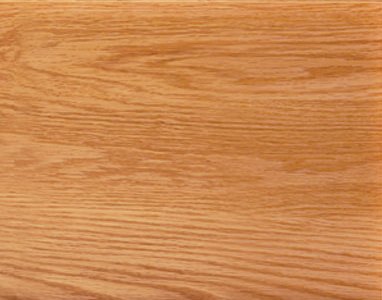
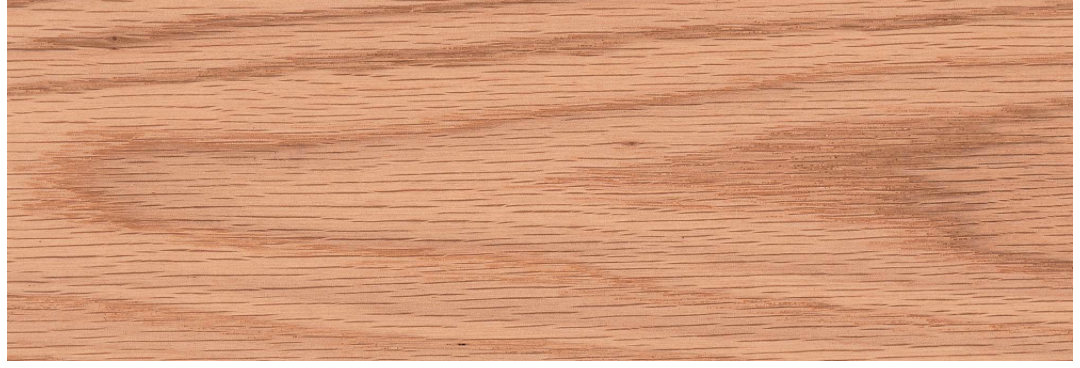
● The sapwood of red oak is white to light brown and the heartwood is often a pinkish reddish brown.
● The wood is similar in general appearance to white oak, but with a slightly less pronounced figure due to the smaller rays and a more porous and grain structure.
● The wood is mostly straight-grained, with a coarse texture.
Distribution & Availability
Widespread throughout Eastern USA. THe oaks are, by far, the largest species group growing in the Eastern hardwood forests. Red oaks grow more abundantly than white oaks. The red oak group comprises many species, of which about eight are commercial. Excellent availability as lumber or veneer in a wide range of grades and specifications. Red oak is often classified according to growing regions and marked as Northern red oak and Southern red oak.Other information
This attractive looking oak, that is widely available, is increasingly being chosen by designers and architects for furniture, joinery and flooring in export markets around the world. While some read oak can have a distinct pink or red colour, other supplies can appear very similar to white oak. This is especially true once a finish is applied, which results in more 'mixed oak' products.
The large volume of red ak production ensures that lumber availability is good and that a high proportion of long, wide boards with uniform grain can be obtained. For the same reason, red oak is increasingly available sorted to width and length for specidic applications.
Working Properties
Red oak machines well; aniling and screwing is good although pre-boring is recommended, and it can be stained and polished to a very good finish. It performs best when dried slowly, reducing the opportunity for degrade such as spilts an wrap. it has a high shrinkage and can be susceptible to ovement in performance under variable moisture conditions.
| Poor | Fair | Good | Excellent | |
|---|---|---|---|---|
| Sawing | ||||
| Planing | ||||
| Drilling | ||||
| Boring | ||||
| Turning | ||||
| Carving | ||||
| Moduling | ||||
| Nailing | ||||
| Screwing | ||||
| Gluing | ||||
| Finishing |
Main Uses
Construction, furniture, flooring, architectural interiors, internal joinery, stairs and modulings, doors, kitchen cabinets, panelling and coffins. Not suitable for tight cooperage. Red oak can vary in colour, texture, characteristics and properties according to the growing region. It is therefore recomended that users and specifiers work closely with their suppliers to make sure the wood they order is suited to their specific needs.
| End Use applications | Main Uses |
|---|---|
| Doors | ✔ |
| Flooring | ✔ |
| Furniture | ✔ |
| Joinery | ✔ |
| Kitchen Cabinets | ✔ |
| Modulings and turnings | ✔ |
| Veneered Panels | ✔ |
| Sports Goods | |
| Tool Handles | ✔ |
Physical & Mechanical Properties
The wood is hard and heavy, with medium-bending strength and stiffness and high-crushing strength. It is very good for steam bending. More detailed strength information is available in AHEC's publication Structural design in American hardwoods.
| Qercus rubra (Northern) | Qercus falcata (Southern) | |
|---|---|---|
| Specific Gravity (12% MC) | 0.63 | 0.68 |
| Average Weight (12% MC) | 705 Kg/m3 | 753 Kg/m3 |
| Average volumentric shrinkage (Green to 6% MC) | 6.6% | N/A |
| Modulus Rapture | 98.599 MPa | 75.156 MPa |
| Modulus Elasiticity | 12,549 MPa | 10,274 MPa |
| Compressive strength (parallel to grain) | 46.610 MPa | 41.991 MPa |
| Hardness | 5738 N | 4715 N |